
SXR Labs
📞 020 3148 8876 ✉️ support@sxrlabs.com
Dedicated to orphan drug development
SXR Laboratories specializes in rare disease trials, working with patient advocacy groups and regulatory authorities to develop treatments for underserved populations with life-threatening conditions.

AAV Vector Delivery: Using adeno-associated virus to deliver functional genes for monogenic disorders. This is the primary therapeutic approach for many rare diseases.
CRISPR-Cas9: Precision gene editing to correct disease-causing mutations at their source, including therapies for Beta-thalassemia and Sickle Cell Disease.
ASOs (Antisense Oligonucleotides): Gene silencing for conditions like Spinal Muscular Atrophy (SMA), where silencing or modifying gene expression can restore protein function.
CFTR: Cystic Fibrosis Transmembrane Conductance Regulator, defective in Cystic Fibrosis. SMN1: Survival Motor Neuron 1 gene, deficient in Spinal Muscular Atrophy. Lysosomal Enzymes: Various enzyme deficiencies causing lysosomal storage diseases (Gaucher, Fabry, Pompe diseases).
Gene Therapy: Direct correction of genetic defects (e.g., AAV-CFTR for Cystic Fibrosis). Enzyme Replacement Therapy (ERT): Providing missing enzymes for lysosomal storage diseases. Gene Editing: CRISPR-based approaches for permanent correction of blood disorders like Beta-thalassemia. Ex Vivo Gene Therapy: Modifying patient cells outside the body (particularly for blood disorders) and reinfusing them.
We collaborate closely with patient communities, employing innovative trial designs and outcome measures appropriate for small populations while maintaining scientific rigor.
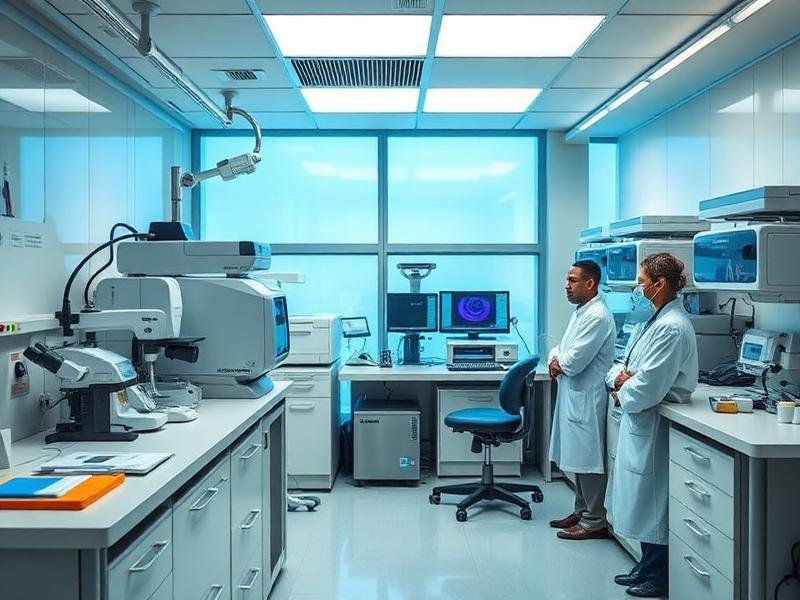
Rare disease research demands exceptional collaboration across specialized services. Clinical Trials Management implements patient-centric protocols with flexible enrollment and home-based visits to accommodate small, geographically dispersed populations. Regulatory Affairs secures orphan drug designations and navigates expedited pathways essential for bringing treatments to underserved patients. Biostatistics applies innovative designs suited for small sample sizes, including N-of-1 and basket trials. Data Management creates comprehensive patient registries and natural history databases. Medical Writing crafts compelling orphan drug applications, while Quality Assurance maintains rigorous standards despite trial complexities.
Contact us to discuss how we can support your rare disease clinical trials.