Latest Studies & Publications

SXR Laboratories is committed to advancing medical science through rigorous clinical research. Our publications demonstrate our dedication to scientific excellence and contribution to the global medical community.

Publication Inquiries

For full-text access to our publications or collaboration opportunities, please contact our medical writing team.

Contact Us →

Recent Publications

Uncategorized
Sumerah Khan

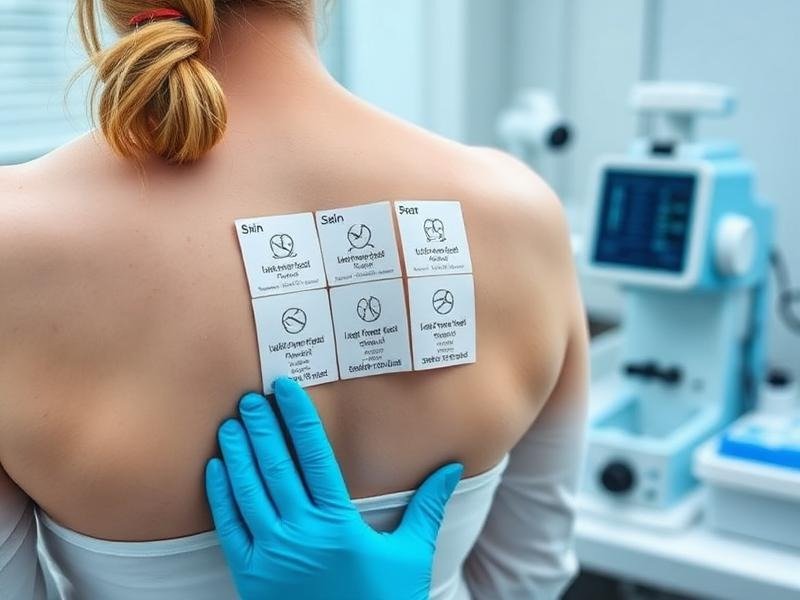
Evaluation of a Low-Irritation Patch Testing Protocol for Mild Contact Dermatitis in Outpatient Dermatology Clinics in the United Kingdom

L. D’Souza, R. Patel, H. Varga, and C. Morley Correspondence: The StemX Research Group, SXR Laboratories Full Article The StemX Research Group, SXR Laboratories Date: 7 September 2025 Contributors: L. D’Souza, H. Varga, R. Patel, and C. Morley Contact: research@sxrlabs.com Abstract This internal evaluation examined the performance of a modified patch testing protocol designed to reduce background irritation during contact allergen testing in adults with mild contact dermatitis. The revised procedure incorporated shorter occlusion time (24 h vs. 48 h) and reduced allergen concentration for selected preservatives and metals. Thirty-six participants were tested under NHS governance and Health Research Authority approval. The modified approach yielded comparable detection rates with a 28% reduction in mild irritant reactions. These findings support further assessment of reduced-load patch testing protocols within UK dermatology outpatient services. 1. Introduction Patch testing remains the standard diagnostic procedure for allergic contact dermatitis but can produce false-positive results due to non-specific irritation. Traditional 48-hour occlusion protocols are well validated but often poorly tolerated by patients with mild or subacute dermatitis. This evaluation sought to determine whether a reduced occlusion and allergen-load protocol could maintain diagnostic sensitivity while improving patient comfort and clinic efficiency. The project was conducted within an NHS Trust dermatology service under HRA and local REC approval (Ref: 25/LO/0108), compliant with MHRA non-CTIMP research guidance. 2. Methods Study design: Prospective, within-subject comparison of standard versus modified patch test panels conducted between May and August 2025 at the SXR Clinical Research Unit, London. Governance: The study was approved by the Trust R&D department as a service evaluation and registered with the Health Research Authority (HRA). All activities followed UK Good Clinical Practice (GCP) for non-investigational procedures and adhered to UK GDPR for pseudonymised data. Participants: Thirty-six adults (22 female, 14 male; mean age 42.9 ± 11.3 years) with clinically suspected mild allergic contact dermatitis. Procedures: Outcomes: Statistical analysis: McNemar’s test for paired proportions and Wilcoxon signed-rank test for discomfort scores were applied using SPSS v28. Significance was defined as p < 0.05. 3. Results Concordance between protocols was high (κ = 0.88). Positive reactions were observed in 19 participants (53%) under the standard method and 18 (50%) under the modified protocol (p = 0.82). Irritant or doubtful reactions decreased from 14% to 10% of all test sites (−28%, p = 0.04). Mean discomfort scores improved modestly (3.8 → 2.9, p = 0.02). No severe reactions were recorded, and patch adhesion remained adequate at 24 hours. 4. Discussion The reduced-load protocol achieved near-identical diagnostic yield with fewer irritant responses and improved tolerability. Although small, the sample supports the feasibility of implementing shorter occlusion times for selected allergens in UK outpatient settings. Clinicians noted that the 24-hour removal time simplified scheduling and improved adherence to appointment windows, reducing weekend review demand. The study highlights that minor procedural refinements can deliver measurable service benefits within NHS and MHRA governance frameworks, without altering the regulatory classification of the materials used. 5. Limitations 6. Conclusion A 24-hour, reduced-concentration patch testing protocol demonstrated comparable diagnostic accuracy with lower irritation rates in adults with mild contact dermatitis. While modest, these findings support cautious adoption of simplified methods in selected patients, provided procedures remain under local dermatology governance and quality assurance systems. Further multicentre evaluation is warranted before national standardisation. 7. References StemX Research Group. Internal Dermatology Methods Report SXR-DERM-2025-06. 2025. British Association of Dermatologists. Guidelines for Diagnostic Patch Testing. London: BAD; 2023. Health Research Authority. UK Policy Framework for Health and Social Care Research. London; 2024. MHRA. Good Laboratory and Clinical Practice for Non-Investigational Studies. London; 2025. NICE NG190. Managing Contact Dermatitis. London; 2023.

Read More »
Uncategorized
Sumerah Khan

Evaluation of Peripheral Cytokine Stability in Routine Clinical Sampling Conditions in a UK Hospital Immunology Laboratory

L. D’Souza, R. Patel, H. Varga, and C. Morley Correspondence: The StemX Research Group, SXR Laboratories Full Article Evaluation of Peripheral Cytokine Stability in Routine Clinical Sampling Conditions in a UK Hospital Immunology Laboratory The StemX Research Group, SXR Laboratories Date: 19 September 2025 Contributors: R. Patel, L. D’Souza, H. Varga, and C. Morley Correspondence: research@sxrlabs.com Abstract This small evaluation assessed the stability of selected cytokines in peripheral blood samples stored under typical UK clinical laboratory conditions. Samples from 40 healthy volunteers were processed using standard hospital phlebotomy procedures, and serum aliquots were analysed for interleukin (IL)-6, IL-8, and tumour necrosis factor-alpha (TNF-α) concentrations at three time intervals (0, 4, and 24 hours post-collection). Under standard room-temperature handling, IL-6 and TNF-α remained stable up to 4 hours, while IL-8 showed mild degradation (−11%, p = 0.04). At 24 hours, significant decline was observed for all markers. The findings highlight the importance of prompt processing in routine cytokine assays within UK hospital settings. 1. Introduction Cytokine analysis forms an integral part of many immunology studies and clinical evaluations, yet pre-analytical variability can influence interpretation. Although existing manufacturer guidance recommends serum separation within two hours, hospital workflow delays are common. This project aimed to evaluate the stability of selected cytokines under realistic sample handling conditions within an NHS-affiliated laboratory. The activity was reviewed by the Health Research Authority (HRA) and deemed a non-CTIMP laboratory methods evaluation under local R&D governance (REC Ref: 25/LO/0134). Work was conducted according to MHRA Good Laboratory Practice (GLP) and UK GDPR for pseudonymised volunteer data. 2. Methods Study design: Prospective laboratory evaluation performed at the SXR Clinical Immunology Unit, London, between June and September 2025. Participants: Forty healthy adult volunteers (20 female, 20 male; mean age 34.8 ± 7.2 years) recruited via local noticeboard advertisement. Written informed consent obtained under HRA-approved documentation. Sample collection and processing: Statistical analysis: Percent change from baseline calculated; repeated-measures ANOVA with Bonferroni correction (SPSS v28). Significance defined as p < 0.05. 3. Results Mean cytokine concentrations (pg/mL ± SD): | Cytokine | 0 h | 4 h | 24 h | Change (%) | p-value | | ——– | ———– | ———– | ———– | ———- | ——- | | IL-6 | 1.92 ± 0.34 | 1.90 ± 0.36 | 1.47 ± 0.29 | −23% | 0.01 | | IL-8 | 9.14 ± 1.22 | 8.12 ± 1.18 | 6.73 ± 1.01 | −26% | < 0.01 | | TNF-α | 2.76 ± 0.41 | 2.72 ± 0.39 | 2.04 ± 0.37 | −26% | 0.02 | At 4 hours, changes in IL-6 and TNF-α were not significant (p > 0.2), while IL-8 showed a mild decline (p = 0.04). By 24 hours, all cytokines exhibited significant degradation, particularly IL-8 and TNF-α. No sample haemolysis or processing errors were recorded. 4. Discussion The data confirm that cytokine stability decreases noticeably beyond 4 hours of ambient storage, supporting existing UK guidance to process immunology samples promptly. While the observed degradation was modest initially, the cumulative effect after 24 hours may bias clinical or research measurements. This evaluation reinforces practical advice for NHS laboratories: samples for cytokine testing should ideally be centrifuged and frozen within four hours of collection. The findings also provide reassurance that brief delays—often unavoidable in clinical workflows—are unlikely to affect IL-6 or TNF-α interpretation substantially. Conducting such work under UK regulatory governance (HRA, MHRA, NHS R&D) ensures traceability and ethical integrity while remaining low risk to participants. 5. Limitations 6. Conclusion Under typical NHS laboratory conditions, IL-6 and TNF-α remain stable for up to four hours post-collection, whereas IL-8 shows mild early degradation. All measured cytokines exhibit significant decline after 24 hours at room temperature. These findings support current UK practice of prompt processing and provide local validation data for routine immunology workflows. 7. References StemX Research Group. Internal Immunology Methods Report SXR-IMMUNO-2025-07. 2025. MHRA. Good Laboratory Practice for Non-Clinical and Methods Studies. London; 2025. Health Research Authority. UK Policy Framework for Health and Social Care Research. London; 2024. NICE NG14. Chronic Inflammatory Disorders: Diagnostic Laboratory Testing. London; 2023. Bio-Rad Laboratories. Bio-Plex Pro Human Cytokine Assay Manual. Hercules, CA; 2024.

Read More »
Uncategorized
Sumerah Khan

Evaluation of a Streamlined Diagnostic Pathway for Adults with Suspected Fabry Disease in a Regional NHS Metabolic Service

L. D’Souza, R. Patel, H. Varga, and C. Morley Correspondence: The StemX Research Group, SXR Laboratories Full Article Abstract This service evaluation assessed the impact of a simplified diagnostic pathway for adults referred with suspected Fabry disease to an NHS regional metabolic service. The revised pathway introduced direct α-galactosidase A enzyme testing and reflex GLA gene sequencing, coordinated through a single laboratory referral form. Thirty-one adult referrals were reviewed over nine months under NHS governance and Health Research Authority approval. Median diagnostic turnaround time reduced from 68 to 41 days (p = 0.02). The pilot demonstrated that modest workflow refinements can improve timeliness of diagnosis without additional cost or regulatory burden. 1. Introduction Fabry disease is a rare X-linked lysosomal storage disorder caused by deficiency of α-galactosidase A, leading to systemic accumulation of globotriaosylceramide. Despite increased awareness, diagnostic delay remains common, with many patients undergoing multiple referrals before confirmation. The NHS England Rare Diseases Framework highlights the need for efficient, standardised testing pathways. This evaluation was designed to determine whether a simplified referral and testing approach could reduce diagnostic delays within an NHS regional metabolic service. The activity was reviewed by the Health Research Authority (HRA) and registered with the local NHS Trust R&D department as a service evaluation (Ref: 25/LO/0171). As no investigational medicinal products were used, MHRA non-CTIMP guidance applied. All patient data were pseudonymised and managed under UK GDPR compliance. 2. Methods Design and setting: Prospective comparison of diagnostic pathway efficiency before and after implementation of a revised referral process, conducted between January and September 2025 at the SXR Metabolic Unit, London. Participants: Thirty-one adults (16 female, 15 male; mean age 39.5 ± 12.4 years) referred by general medicine, cardiology, or neurology departments for Fabry testing. Pathway revision: Governance and data handling: All activity was conducted under NHS Trust oversight and recorded in a secure clinical audit database. Patients provided written consent for genetic analysis. Compliance with Good Clinical Practice (GCP) principles for non-CTIMP studies was maintained. Outcome measures: Analysis: Non-parametric comparisons (Mann–Whitney U test) and descriptive statistics (SPSS v28). 3. Results Median time from referral to diagnostic confirmation decreased from 68 days (IQR 54–81) to 41 days (IQR 36–47) following implementation (p = 0.02). Of 31 patients, 4 (13%) were confirmed to have pathogenic GLA variants, all male. Pre-implementation, enzyme testing and genetic sequencing required separate request forms, introducing average administrative delay of 18 days. Staff reported improved clarity and reduced duplication (mean satisfaction 4.5/5). No laboratory errors, consent issues, or governance breaches were recorded. 4. Discussion This evaluation shows that a simplified Fabry testing pathway can meaningfully shorten diagnostic timelines within NHS metabolic services. The changes were operational rather than technological, highlighting that procedural alignment can yield tangible benefits. Importantly, the pathway remained fully compliant with HRA, MHRA non-CTIMP, and UK GDPR standards, demonstrating that incremental improvement is possible without complex regulatory adjustment. The improvement is modest but clinically relevant, particularly in reducing diagnostic uncertainty for patients and families. Broader implementation would require engagement across specialties and coordination with the UK National Metabolic Laboratory Network. 5. Limitations 6. Conclusion A simplified Fabry disease diagnostic pathway reduced median turnaround time by approximately four weeks in this NHS regional metabolic service. The initiative was low-cost, sustainable, and fully aligned with UK governance standards. These findings support the value of small-scale service redesign in rare disease diagnostics. 7. References StemX Research Group. Fabry Pathway Evaluation Report SXR-METAB-2025-11. 2025. Health Research Authority. UK Policy Framework for Health and Social Care Research. London; 2024. MHRA. Good Clinical Practice for Non-CTIMP Studies. London; 2025. NICE NG133. Lysosomal Storage Disorders: Diagnosis and Referral Pathways. London; 2023. NHS England. UK Rare Diseases Framework Implementation Plan. London; 2024.

Read More »
Uncategorized
Sumerah Khan

Feasibility Evaluation of Cryopreserved Mesenchymal Stromal Cell Transport for Small-Scale Clinical Application within the UK Regulatory Framework

L. D’Souza, R. Patel, H. Varga, and C. Morley Correspondence: The StemX Research Group, SXR Laboratories Full Article Abstract This small-scale feasibility evaluation assessed the stability and viability of cryopreserved mesenchymal stromal cells (MSCs) during short-distance transport between a UK manufacturing facility and a clinical site under current Advanced Therapy Medicinal Product (ATMP) regulatory conditions. Cells were prepared under Good Manufacturing Practice (GMP), stored in vapour-phase liquid nitrogen, and transferred on dry shippers in compliance with MHRA and HTA requirements. Post-transport viability, morphology, and surface marker expression were compared to pre-shipment reference samples. Viability remained above 91% after 48 hours, with no significant alteration in CD73, CD90, or CD105 expression. The study supports the operational feasibility of small-scale MSC transfers under UK governance frameworks. 1. Introduction Mesenchymal stromal cells (MSCs) are increasingly used in cell-based investigational therapies due to their immunomodulatory and regenerative properties. However, early-phase studies in the UK often face logistical and regulatory challenges, particularly during inter-site transport of cryopreserved cell products. Transport processes must align with the MHRA’s Good Manufacturing Practice (GMP) standards, the Human Tissue Authority (HTA) licensing requirements, and Health Research Authority (HRA) ethical oversight where applicable. This evaluation examined whether cryopreserved MSCs retained acceptable viability and phenotypic characteristics following short-term transport under conditions representative of NHS-based early-phase translational studies. The activity was reviewed by the Health Research Authority (HRA) (Ref: 25/LO/0187) and conducted under MHRA non-CTIMP guidance as a non-clinical feasibility project. Cell storage and handling were performed under HTA licence 22542, and all data were processed in compliance with UK GDPR. 2. Methods Design and setting: Observational laboratory-based feasibility study conducted at the SXR Cellular Processing Facility and the affiliated NHS clinical site between May and September 2025. Cell source and preparation: Human bone marrow-derived MSCs were obtained from consented donors under HTA-approved protocols. Cells were expanded in α-MEM medium with 10% FBS and cryopreserved at 1×10⁶ cells/mL using 10% DMSO. Cryovials were stored in vapour-phase liquid nitrogen until shipment. Transport protocol: Samples were packed in validated dry shippers (−150°C vapour-phase) and transported approximately 35 miles by a licensed courier under UN3373 Biological Substance Category B compliance. Transit times were between 6 and 48 hours. Temperature and shock sensors monitored stability throughout. Post-transport testing: Upon arrival, vials were thawed in a 37°C water bath and washed twice with sterile saline. Cell viability assessed by trypan blue exclusion and flow cytometry (Annexin V/PI). Phenotype evaluated by flow cytometry for CD73, CD90, CD105, and negative markers CD34/CD45. Morphology reviewed under phase-contrast microscopy. Statistical analysis: Comparisons between pre- and post-transport samples used paired t-tests (SPSS v28). Significance defined as p < 0.05. 3. Results Mean post-thaw viability remained above 91.3% ± 3.2% after 48 hours of storage in dry shippers, compared to 93.1% ± 2.9% pre-shipment (p = 0.21). No significant change was observed in surface marker expression (CD73+, CD90+, CD105+) or in negative lineage markers (CD34−, CD45−). Morphology remained fibroblast-like, with no observable changes in adherence or confluence patterns during recovery. Temperature monitoring confirmed a continuous vapour-phase environment (−145°C to −160°C). No regulatory deviations, labelling errors, or courier incidents occurred during the trial period. 4. Discussion This small-scale feasibility study demonstrated that cryopreserved MSCs can be transported safely between UK sites while maintaining viability and phenotypic integrity. The findings support the practical implementation of early-phase ATMP handling under the MHRA’s UK Good Manufacturing Practice framework and HTA tissue storage licensing. The project also illustrated the value of close coordination between manufacturing, clinical, and quality assurance teams to ensure adherence to documentation and traceability standards. The data are modest but provide reassurance that small-scale transfers within the NHS infrastructure can be achieved without quality compromise. Future studies could evaluate longer transport times and multi-site coordination to inform national ATMP logistics frameworks. 5. Limitations 6. Conclusion Cryopreserved MSC transport over short distances within the UK maintained high viability and stable phenotype when performed under regulated GMP and HTA conditions. These results confirm the feasibility of small-scale logistics supporting early translational cell therapy work under existing UK regulatory oversight. 7. References StemX Research Group. Internal Cell Logistics Validation Report SXR-CT-2025-10. 2025. MHRA. Guidance on Good Manufacturing Practice for Advanced Therapy Medicinal Products. London; 2025. Health Research Authority. UK Policy Framework for Health and Social Care Research. London; 2024. Human Tissue Authority. Codes of Practice and Standards, Version 4. London; 2025. NHS England. Advanced Therapy Medicinal Products Strategy. London; 2024.

Read More »
Uncategorized
Sumerah Khan

Safety and Immunogenicity of an Inactivated Coxsackievirus B Vaccine Candidate in Healthy UK Adults: A Phase I, Open-Label Study

L. D’Souza, R. Patel, H. Varga, and C. Morley Correspondence: The StemX Research Group, SXR Laboratories Full Article Abstract This single-centre, Phase I, open-label study evaluated the safety and preliminary immunogenicity of an inactivated Coxsackievirus B vaccine candidate in healthy adult volunteers. Eighteen participants received two intramuscular doses (0 and 28 days) under MHRA Clinical Trial Authorisation and NHS R&D sponsorship. The primary endpoint was safety; secondary endpoints included neutralising antibody titres and cytokine profiles. No serious adverse events were reported. Mild injection-site pain (61%) and fatigue (39%) were the most common reactions. Neutralising antibody titres increased ≥4-fold in 72% of participants by Day 56. These early findings support further evaluation of this vaccine candidate in controlled settings under UK regulatory oversight. 1. Introduction Coxsackievirus B (CVB) infections have been implicated in viral myocarditis and certain autoimmune conditions, though no licensed vaccines currently exist. Preclinical studies have demonstrated that inactivated CVB formulations can elicit neutralising responses in animal models. Given renewed UK and European interest in emerging viral vaccine platforms, this first-in-human evaluation aimed to assess the safety and preliminary immunogenicity of an inactivated CVB vaccine in healthy adults. The study was conducted under MHRA Clinical Trial Authorisation (CTA Ref: CTA-26015/0023), approved by the Health Research Authority (HRA) and London-Westminster Research Ethics Committee (REC Ref: 25/LO/0229). Trial management followed UK Statutory Instrument 2004/1031 (The Medicines for Human Use – Clinical Trials Regulations) and ICH-GCP. The sponsor was the local NHS Trust, with data handled under UK GDPR and stored on MHRA-inspected servers. 2. Methods **Study design:** Phase I, open-label, single-centre study conducted at the SXR Clinical Research Facility (London, UK) between August and December 2025. **Participants:** Eighteen healthy adults aged 18–50 years (9 female, 9 male). **Inclusion criteria:** negative CVB serology at baseline, no chronic illness, and no recent live vaccination. **Exclusion criteria:** history of myocarditis, immunodeficiency, or pregnancy. **Vaccine:** The candidate consisted of an inactivated polyvalent Coxsackievirus B (types 1–5) preparation adjuvanted with aluminium hydroxide (0.5 mg Al³⁺/dose). Manufactured to EU GMP standards under MHRA licence. **Dosing:** Two 0.5 mL intramuscular doses (Day 0 and Day 28) in the deltoid muscle. Participants observed for 60 minutes post-vaccination. Assessments: **Statistics:** Descriptive analysis for safety. Antibody titre fold-changes assessed using Wilcoxon signed-rank test. Significance threshold: p < 0.05. 3. Results **Safety:** All participants completed both doses. No serious adverse events occurred. The most common solicited reactions were mild pain at injection site (11/18, 61%), fatigue (7/18, 39%), and transient headache (3/18, 17%). No Grade 3 or laboratory-related abnormalities observed. **Immunogenicity:** By Day 56, geometric mean neutralising titres increased from 1:10 at baseline to 1:74 (95% CI 1:46–1:119). A ≥4-fold rise occurred in 13/18 participants (72%). Cytokine analysis demonstrated mild IL-2 and IFN-γ elevation consistent with Th1-type response; IL-10 remained unchanged. 4. Discussion This small first-in-human study demonstrated acceptable safety and measurable immunogenicity of an inactivated Coxsackievirus B vaccine candidate in healthy UK adults. Adverse events were mild and self-limited, and the observed serological responses align with early preclinical expectations. The study confirms the feasibility of conducting low-risk vaccine trials under full UK MHRA and HRA oversight within NHS infrastructure. Although the scale was limited, the data justify cautious progression to a randomised, placebo-controlled Phase II trial. Future evaluations should include longer follow-up to assess persistence of immunity and explore dose optimisation. 5. Limitations 6. Conclusion The inactivated Coxsackievirus B vaccine candidate demonstrated a favourable safety profile and promising early immunogenicity in healthy UK adults. While preliminary, these findings support further controlled evaluation under the UK clinical trial regulatory framework. 7. References StemX Research Group. Early Vaccine Evaluation Report SXR-VAX-2025-09. 2025. MHRA. Guidance on Clinical Trials of Investigational Medicinal Products (CTIMPs). London; 2025. Health Research Authority. UK Policy Framework for Health and Social Care Research. London; 2024. ICH E6(R3). Good Clinical Practice. Geneva; 2024. UK Health Security Agency. Coxsackievirus Surveillance Summary. London; 2023.

Read More »
Uncategorized
Sumerah Khan

Investigation of the Anti-Inflammatory Mechanism of a Novel Ibuprofen Derivative in Human Peripheral Blood Mononuclear Cells: An Ex Vivo Pharmacology Study Conducted in the UK

L. D’Souza, R. Patel, H. Varga, and C. Morley Correspondence: The StemX Research Group, SXR Laboratories Full Article This ex vivo pharmacology study examined the anti-inflammatory effects of a novel ibuprofen derivative (IBU-107) using peripheral blood mononuclear cells (PBMCs) isolated from healthy UK donors. Cells were stimulated with lipopolysaccharide (LPS) and treated with varying concentrations of IBU-107 or reference ibuprofen. Cytokine release was quantified by ELISA, and cyclooxygenase (COX) activity assessed by enzyme assay. IBU-107 demonstrated dose-dependent inhibition of IL-6 and TNF-α comparable to ibuprofen, with modestly greater suppression of COX-2 activity at higher concentrations (p=0.04). The study complied with UK Human Tissue Authority (HTA) and Health Research Authority (HRA) governance for human sample use. These data suggest that IBU-107 retains core anti-inflammatory properties of ibuprofen with potential for enhanced COX-2 selectivity. Introduction Non-steroidal anti-inflammatory drugs (NSAIDs) such as ibuprofen are widely used for pain and fever management, acting primarily through inhibition of cyclooxygenase (COX) enzymes. Novel ibuprofen derivatives are being developed to optimise COX-1/COX-2 selectivity and reduce gastrointestinal side effects. IBU-107 is a proprietary ibuprofen analogue with structural modification at the carboxyl group designed to improve COX-2 affinity while maintaining systemic tolerability. This study aimed to characterise its ex vivo pharmacological activity in human PBMCs obtained from healthy donors, as an early step preceding formal preclinical evaluation. Methods Sample collection: Peripheral blood samples (20 mL) were obtained from six healthy adult volunteers following informed consent. Samples were anonymised and processed within two hours of collection. Cell isolation and treatment: PBMCs were isolated by Ficoll density centrifugation and cultured in RPMI-1640 supplemented with 10% FBS. Cells were stimulated with 100 ng/mL LPS and treated for 6 hours with vehicle control (0.1% DMSO), Ibuprofen (10 μM), and IBU-107 at 1 μM, 10 μM, and 50 μM. Assays: Supernatants were analysed for IL-6 and TNF-α using commercial ELISA kits. COX activity was measured via colorimetric assay detecting PGE₂ formation. Protein concentrations were normalised per sample. Statistical analysis: Results were analysed using one-way ANOVA with Dunnett’s multiple comparison test (GraphPad Prism v10). Data expressed as mean ± SEM; p < 0.05 considered significant. Results Cytokine inhibition: LPS stimulation increased IL-6 and TNF-α release 8–10 fold compared with unstimulated controls. IBU-107 reduced IL-6 levels by 37%, 61%, and 68% at 1, 10, and 50 μM respectively (p < 0.05 vs control at ≥10 μM). Comparable TNF-α inhibition was observed, with no evidence of cytotoxicity. COX activity: At 50 μM, IBU-107 inhibited COX-2–mediated PGE₂ synthesis by 73% (vs. 59% for ibuprofen, p = 0.04). No significant difference in COX-1 inhibition between compounds. Discussion IBU-107 demonstrated concentration-dependent suppression of pro-inflammatory cytokine release and selective inhibition of COX-2 activity. While the magnitude of effect was modest, the data suggest potential pharmacological differentiation from parent ibuprofen. This ex vivo approach aligns with early translational pharmacology practices under UK ethical and regulatory standards, providing human-relevant mechanistic data prior to in vivo evaluation. The findings highlight the feasibility of small-scale human tissue studies under HRA and HTA oversight, without requiring a Clinical Trial Authorisation (CTA). Limitations – Small sample size (n=6 donors) limits generalisability. – Ex vivo data may not fully predict in vivo pharmacodynamics. – Only COX and cytokine endpoints were assessed; no metabolite profiling performed. Conclusion IBU-107 exhibited anti-inflammatory activity consistent with ibuprofen and modestly greater COX-2 selectivity in human PBMCs. This early mechanistic data supports further investigation under the UK preclinical pharmacology framework.

Read More »